Programme: Diploma in Clinical Medicine and Public Health
Course Code: DCM/PH
Duration: 3 Years
Mode: On-Campus
Tuition: USD 250 per semester
Location: Eden Village, Juba, South Sudan
Overview
The Diploma in Clinical Medicine and Public Health (DCM/PH) is a three-year programme designed to equip students with the knowledge, practical skills, and professional competencies required to provide quality clinical and community health services.
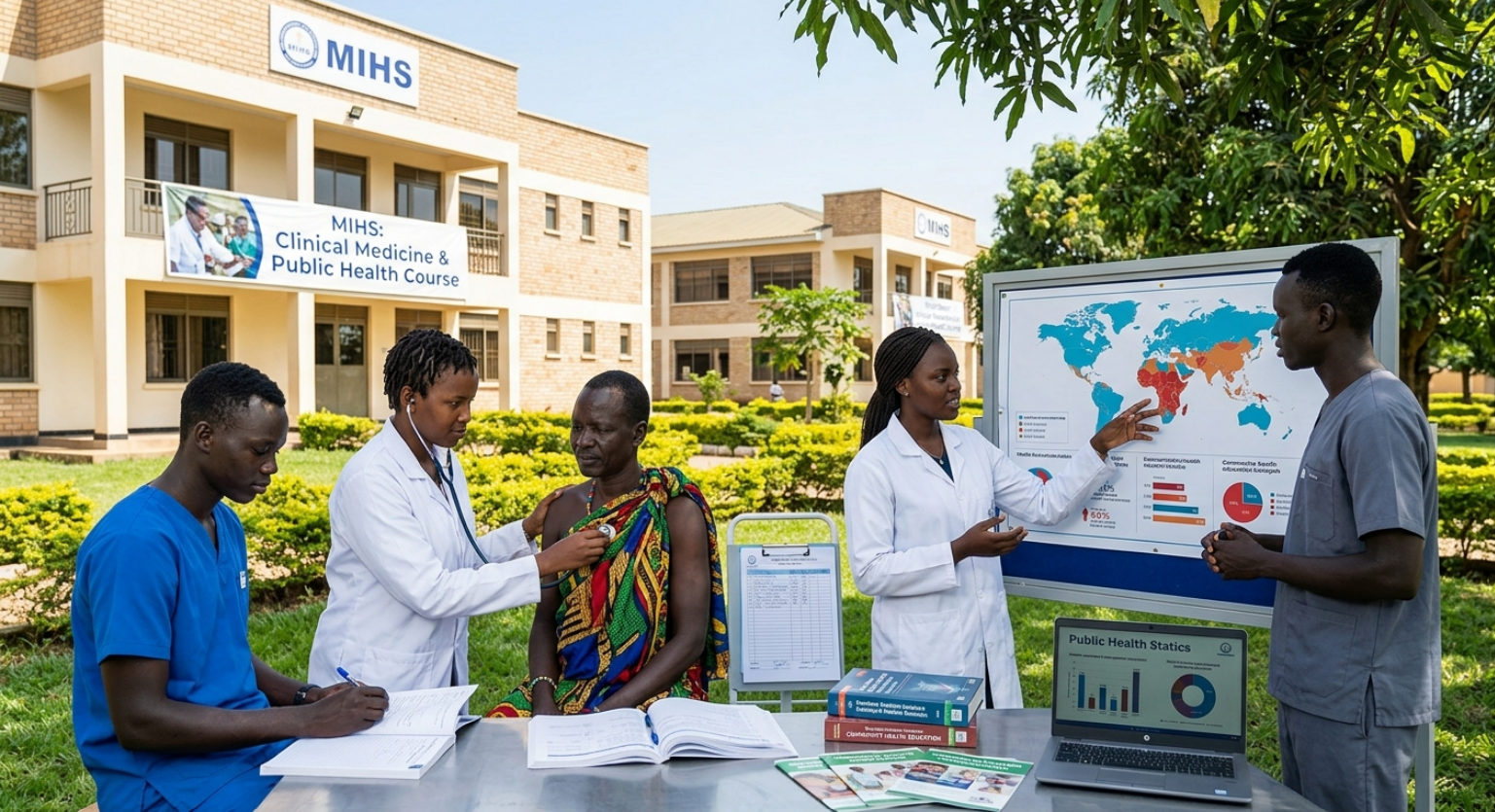
The programme combines theoretical learning, practical skills training, clinical practice, and community health education. It prepares graduates to work effectively alongside other healthcare professionals in hospitals, health centres, communities, and other healthcare settings.
Programme Objectives
The programme will equip students with the knowledge, skills, and professional attitudes necessary to provide quality healthcare services at different levels of the health system.
By the end of the programme, students will be able to:
- Diagnose and manage common diseases and health conditions.
- Provide preventive, promotive, curative, and rehabilitative healthcare.
- Provide appropriate clinical care and patient counselling.
- Identify patients requiring referral and make timely referrals.
- Participate in maternal, newborn, child, and reproductive health services.
- Recognize and respond appropriately to common emergencies.
- Participate in community health and disease prevention programmes.
- Work effectively with other healthcare professionals.
- Apply leadership and management skills in healthcare settings.
- Conduct health-related research and use evidence to improve healthcare.
- Demonstrate ethical and professional conduct.
- Participate in continuing professional development.
Clinical Competencies
Graduates will be prepared to:
- Assess and diagnose common health conditions.
- Manage common conditions appropriately within their scope of practice.
- Provide appropriate treatment and patient counselling.
- Administer relevant treatments safely.
- Identify emergencies and arrange timely referral.
- Perform appropriate minor clinical procedures.
- Participate in normal and abnormal delivery care within their scope of practice.
- Identify patients requiring specialized care and facilitate referral.
Community Health Competencies
Students will develop skills in:
- Community mobilization and health education.
- Immunization services and outreach activities.
- Growth monitoring and promotion.
- Home visits.
- School health programmes.
- Antenatal, delivery, and postnatal services.
- Reproductive health services.
- Health information, education, and communication.
- Environmental sanitation activities.
- Community diagnosis and disease surveillance.
- Community-based research.
Leadership and Management
The programme will also develop students’ leadership and management competencies, including:
- Identifying health needs and priorities.
- Planning and implementing health services.
- Managing healthcare resources.
- Monitoring and evaluating health service delivery.
- Supporting and supervising healthcare staff.
- Maintaining quality standards in healthcare delivery.
- Managing medicines and health supplies appropriately.
- Maintaining health information and reporting systems.
- Promoting teamwork and collaboration.
- Communicating effectively and making appropriate professional decisions.
Programme Structure
The programme will be completed over three academic years consisting of six semesters.
Each academic year will combine theoretical instruction, practical skills training, clinical learning, and community health activities.
Students will undertake supervised clinical placement and practical training in appropriate healthcare settings to develop the competencies required for professional practice.
Clinical and Field Placement
Practical training is an essential component of the programme. Students will be expected to participate in supervised clinical and community-based learning where they can apply knowledge and skills acquired in the classroom.
Clinical and field experiences will expose students to patient care, community health services, health promotion, disease prevention, and healthcare management.
Why Study Clinical Medicine and Public Health at MIHS?
Students will benefit from:
- On-campus learning
- Practical clinical training
- Community health exposure
- Supervised practical learning
- Qualified teaching staff
- A structured three-year diploma programme
- Training in both clinical medicine and public health
- Preparation for professional healthcare practice
Eligibility
Applicants must meet the admission requirements of Meridian Institute of Health Sciences (MIHS) and the applicable requirements of the relevant education and health regulatory authorities in South Sudan.
Applicants will be required to submit their academic certificates and other supporting documents specified by MIHS during the admission process.
Career Paths
- Hospitals
- Primary healthcare centres
- Health centres and clinics
- Community health programmes
- Public health programmes
- Maternal and child health services
- Non-governmental organisations
- Humanitarian health programmes
- Private healthcare facilities
Curriculum
Semester 1-2: Clinical Competencies
- Assess and diagnose common health conditions.
- Manage common conditions appropriately within their scope of practice.
- Provide appropriate treatment and patient counselling.
- Administer relevant treatments safely.
- Identify emergencies and arrange timely referral.
- Perform appropriate minor clinical procedures.
- Participate in normal and abnormal delivery care within their scope of practice.
- Identify patients requiring specialized care and facilitate referral.
Semester 3-4: Community Health Competencies
- Community mobilization and health education.
- Immunization services and outreach activities.
- Growth monitoring and promotion.
- Home visits.
- School health programmes.
- Antenatal, delivery, and postnatal services.
- Reproductive health services.
- Health information, education, and communication.
- Environmental sanitation activities.
- Community diagnosis and disease surveillance.
- Community-based research.
Semester 5-6: Leadership and Management
- Identifying health needs and priorities.
- Planning and implementing health services.
- Managing healthcare resources.
- Monitoring and evaluating health service delivery.
- Supporting and supervising healthcare staff.
- Maintaining quality standards in healthcare delivery.
- Managing medicines and health supplies appropriately.
- Maintaining health information and reporting systems.
- Promoting teamwork and collaboration.
- Communicating effectively and making appropriate professional decisions.
Fees
Tuition Fee: USD 250 per semester Any additional institutional, examination, practical, clinical, registration, or other applicable fees will be communicated to students during the admission and registration process.